How Heat Treatment Eradicates Bed Bugs: Critical Equipment and Inspection Methods
Heat treatment stands out as a reliable solution for exterminating bed bugs. By raising temperatures beyond 120°F, it addresses all developmental stages, including eggs. Critical equipment, such as thermal imaging cameras and fans, is instrumental in delivering effective results. However, detailed inspections are essential to identify infestations and typical hiding spots. Knowing these elements is key to a effective treatment. Which targeted methods can improve the success of this treatment?
Why Heat Treatment Is Your Best Bet Against Bed Bugs
Heat treatment has emerged as among the most powerful solutions for eradicating bed bugs. This method employs extreme heat, typically between 120°F and 140°F, to eliminate every life stage of these insects, including eggs. In contrast to chemical treatments, which often need several applications and may leave unwanted residues, heat treatment works its way into cracks, crevices, and furniture, providing complete and thorough treatment.
Additionally, this treatment is environmentally friendly, as it prevents the use of hazardous pesticides, making it a more secure choice for households and businesses alike. The success rate of heat treatment is remarkable; evidence suggests that it can eliminate bed bugs within a matter of minutes of exposure to temperatures lethal to bed bugs. Additionally, heat treatment generally requires less time than conventional treatments, allowing for more rapid treatment of bed bug problems. Given these advantages, heat treatment stands out as a dependable solution for those grappling with bed bug issues.
Key Requirements for Successful Heat Treatment
Effective heat treatment for eliminating bed bugs demands thorough preparation and appropriate equipment. Necessary tools consist of high-capacity heaters able to reach temperatures surpassing 120°F, which is essential for destroying bed bugs at every stage of their life cycle. Thermal imaging cameras are useful for detecting temperature irregularities, guaranteeing that all areas receive sufficient heat. Furthermore, fans are required to efficiently circulate hot air, facilitating consistent temperature distribution across the treated area.
Safety equipment, such as protective gloves and masks, is essential for protection during the process. Accurate temperature measurement tools, like temperature sensors, enable precise tracking of thermal conditions in different areas. A dependable power supply is critical, as heat treatment may require lengthy periods of use. Finally, proper insulation of the treatment areas helps maintain higher temperatures longer, boosting treatment success. With proper equipment and preparation, the likelihood of complete bed bug removal are greatly enhanced.
Locating Bed Bug Hideouts in Your Home
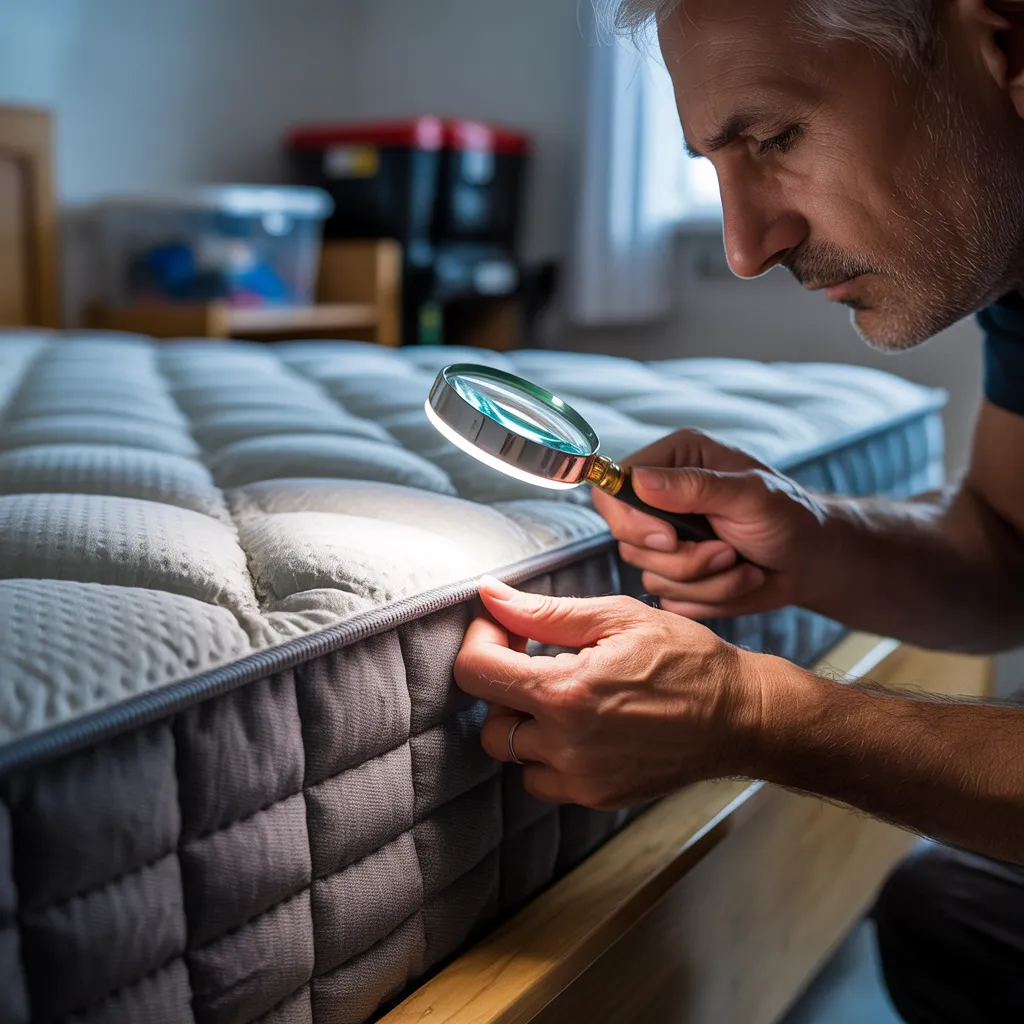
In what locations could bed bugs be hiding in a home? These pests are notorious for their ability to conceal themselves in various locations. Frequent hiding locations include the stitching and folds of mattresses and box springs, where they feed on sleeping inhabitants. Bed frames and headboards additionally function as perfect hiding places, frequently containing eggs and nymphs within their cracks.
In addition to bedding, bed bugs are known to occupy furniture, particularly fabric-covered pieces such as sofas and chairs. They can also crawl into cracks in walls, baseboards, or flooring. Cluttered areas, including dressers and storage areas, offer additional hiding spots for these pests to flourish.
Routine checks of these areas can assist in detecting infestations at an early stage. Residents should remain alert, carefully inspecting any areas of concern and using a flashlight to enhance their view. Knowing the common hiding places of bed bugs is critical for successful control.
Implementing Heat Treatment: A Complete Step-by-Step Guide
A methodical heat treatment strategy can successfully eliminate bed bugs from affected areas. The process begins with a thorough inspection to identify the extent of the infestation and the specific areas requiring treatment. Subsequently, all belongings in the impacted zone should be relocated or protected to minimize heat dissipation. The ambient temperature needs to be elevated to at least 120°F (49°C) with professional-grade heating equipment, guaranteeing uniform heat circulation across the entire area.
Monitoring devices should be placed to track temperature levels, as consistency is essential for effectiveness. After the desired temperature has been achieved and held for a minimum of 90 minutes, the procedure can be considered complete. Following the treatment, the area should be allowed to cool slowly, and a second inspection conducted to confirm the elimination of bed bugs. Finally, any remaining items should be treated or discarded to prevent re-infestation, guaranteeing a comprehensive method of eliminating bed bugs.
Effective Tips to Maintain a Bed Bug-Free Space
Keeping your living space free of bed bugs demands consistent preventive steps and careful attention. Routine checks of sleeping spaces, such as mattresses, box springs, and furniture, are critical for identifying the earliest indications of bed bugs. Keeping personal belongings off the floor and using protective covers on mattresses can greatly reduce the risk of infestation.
Reducing clutter in spaces eliminates hiding spots for these pests, while consistently cleaning bedding and garments in hot water helps eliminate existing eggs and insects. Vacuuming on a consistent basis is critical, with the vacuum bag being thrown away promptly to prevent re-infestation.
Travelers ought to check lodging accommodations and ensure bags remain raised off the ground. Furthermore, informing every member of the household about spotting bed bugs and their warning signs improves general awareness and prompt action. By implementing these strategies consistently, individuals can successfully preserve a bed bug-free environment and minimize the chances of an infestation occurring.
Questions We Often Receive
How Much Time Does Heat Treatment Need to Get Rid of Bed Bugs?
Heat treatment typically takes between six to eight hours to effectively eliminate bed bugs. The duration may vary based on the extent of the infested space and the machinery employed during the treatment process.
Do My Belongings Experience Any Side Effects from Heat Treatment?
Heat treatment has the potential to harm sensitive items, including artwork, electronics, and plastics, because of intense heat exposure. That said, most belongings, particularly fabrics and hard materials, usually survive the process with no significant damage or lasting impact.
Can I Do Heat Treatment Myself or Hire a Professional?
People can choose to perform heat treatment themselves or hire a professional. Self-applied methods can lack accuracy, while experts ensure thoroughness and safety. Considering the risks and outcomes can help identify the best approach for eradicating bed bugs.
What Temperature Is Necessary to Kill Bed Bugs Effectively?
To successfully eliminate bed bugs, heat levels need to reach no less than 118°F (48°C) for a continuous period of time. Elevated heat levels, approximately 130°F (54°C), refer to resource can provide quicker results, guaranteeing the total elimination of all life cycle stages.
How Many Times Should I Repeat Heat Treatment for the Best Outcome?
Performing repeated heat treatments at two to four week intervals is advisable for ideal results. This approach helps ensure newly hatched bed bugs are eliminated, stopping re-infestation while ensuring comprehensive eradication of the pests.